
From 1 July 2026, Australian employers must pay superannuation on every payday instead of quarterly. This guide explains how Melbourne businesses can prepare, update payroll systems, verify employee fund details, and follow a practical compliance checklist before the new rules begin.
Read More
Starting a business in Melbourne requires more than a great idea. This guide explains the key steps in 2026, including ABN registration, ASIC company setup, trust structures, GST registration, and ongoing compliance obligations for new businesses.
Read More
Running a construction business means juggling jobs, materials, and payments. Poor bookkeeping hides where money goes. This guide breaks down job costing, payroll, cash flow, and more for contractors and builders.
Read More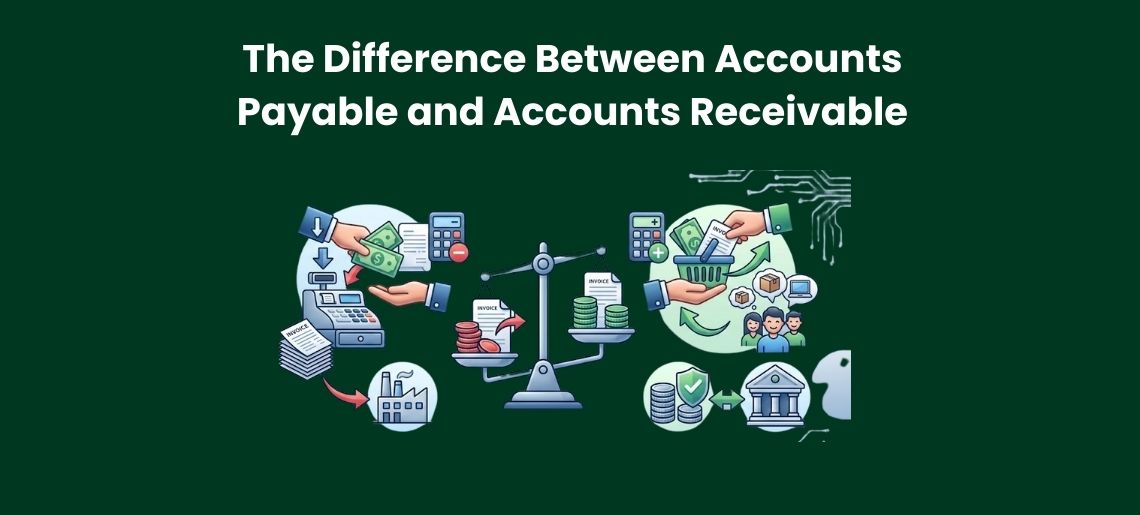
Accounts payable and accounts receivable are two essential parts of business accounting, but they serve very different roles. This guide explains what each term means, how they impact cash flow, and why understanding the difference helps small businesses manage finances, avoid payment issues, and maintain strong relationships with suppliers and clients.
Read More
Payday Super is one of the biggest payroll changes in decades. This guide helps Melbourne employers understand the new rules and prepare systems, cash flow, and compliance before 1 July 2026.
Read More
Running a retail store is exciting but managing finances can feel overwhelming. This beginner-friendly guide shares simple bookkeeping tips to help retail store owners stay organised, understand their money, manage daily operations smoothly, and build a stronger, more stable business.
Read More
Learn how bank reconciliation helps small businesses maintain accurate financial records, prevent errors, improve cash flow visibility, and strengthen financial control through a structured monthly process.
Read More
Is your business outgrowing its spreadsheets? While manual tracking works for startups, it becomes an operational risk as you scale. Switching to accounting software eliminates errors, automates compliance, and provides the real-time financial visibility needed for stability. Discover why modern businesses are ditching disconnected files to accelerate growth.
Read More
Understanding depreciation doesn’t have to be complicated. By spreading the cost of long-term assets like equipment or vehicles over their useful life, businesses get a realistic view of profits and operating costs. For business owners, mastering depreciation means clearer reports, better budgeting, and stronger financial control without surprises.
Read More