
Running a construction business means dealing with a lot of moving parts. Jobs, people, materials, payments, all happening at the same time. When the bookkeeping is not in order, it becomes very hard to know where the money is going or whether the business is actually making money.
This guide covers the key bookkeeping areas every contractor and builder should understand. Each section is straightforward and practical.
1. Track Job Costs for Every Project
Job costing means recording all the money spent and earned on each individual project. Without this, there is no clear way to know if a job was profitable. The business overall might look fine, but individual jobs could be losing money without anyone noticing.
Every expense linked to a project should be recorded against that job:
- Materials and supplies
- Labour costs
- Equipment hire
- Subcontractor fees
When income and costs are tracked by job, it becomes easier to see which types of work are profitable and which are not. It also leads to more accurate quoting over time.
| Cost Type | What It Covers | Examples |
|---|---|---|
| Direct costs | Belong to one specific job | Materials, labour, subcontractors, equipment |
| Indirect costs | Support the whole business | Insurance, vehicle costs, office software |
2. Keep Business and Personal Finances Separate
Mixing personal and business money is one of the most common mistakes in small construction businesses. It makes records messy and unreliable.
Keeping them separate is simple:
- Open a dedicated business bank account
- Use a separate card for all business spending
- Never use business funds for personal expenses
- Record every business transaction clearly
When the accounts are clean and separate, the true financial position of the business is much easier to see.
3. Use the Right Accounting Software
Cloud-based accounting software makes construction bookkeeping faster and more accurate. Platforms like Xero handle multiple needs in one place:
- Job tracking and cost allocation by project
- Progress invoicing and payment tracking
- Payroll processing and ATO reporting
- BAS preparation each quarter
The key is making sure the software is set up correctly from the start. Job codes, cost categories, and account structures all need to reflect how the business actually operates. A generic setup produces unreliable data. A well-configured setup produces useful, accurate information.
4. Manage Payroll Carefully
Payroll in construction is more complex than in most industries. A construction business might have full-timers, part-timers, and casuals all working at the same time. Each person could be on a different award rate with different overtime and allowance rules.
The key areas to get right each pay run:
- Award rates for every employee classification
- Overtime, allowances, and penalty rates where they apply
- Superannuation in the correct amount and paid on time
- Single Touch Payroll reported to the ATO every pay run
- Payslips generated and kept on file for every employee
Getting payroll wrong leads to underpayments, which can result in back pay obligations and penalties.
From 1 July 2026, super must be paid on every payday under the new Payday Super rules. For businesses running weekly or fortnightly payroll, this means super goes out with every single pay run. Cash flow planning needs to account for this.
5. Track Cash Flow Regularly
Cash flow is the movement of money in and out of the business. In construction, it can be unpredictable. Large amounts go out on materials and labour before any payments come in from clients.
Tracking cash flow regularly helps avoid shortfalls:
- Review a cash flow statement every month
- Look at what invoices are outstanding and when they are due
- Keep a buffer for unexpected costs or delays
- Match payment timelines with upcoming expenses
A business can be profitable on paper but still run out of cash if the timing of payments in and out is not managed carefully.
6. Keep Records Organised
Good record keeping is essential in construction. If receipts are sitting in a bag, a glovebox, or scattered across a phone, they become hours of sorting work later.
Going digital makes this simple:
- Use an app like Dext or Hubdoc to photograph receipts on site immediately
- These apps upload directly to accounting software so nothing gets lost
- Store all invoices, contracts, and payroll records digitally
- Keep all records for at least five years
Organised records also protect the business. If the ATO ever reviews the accounts, having everything in order makes the process straightforward.
7. Work With a Professional Bookkeeper or Accountant
There comes a point in most construction businesses where managing the books alone becomes too time-consuming or complicated.
A professional bookkeeper or accountant who understands construction can help with:
- Setting up job costing and project tracking properly
- Keeping accounts payable and receivable on track
- Preparing and lodging the BAS each quarter
- Managing payroll correctly and on time
- Producing monthly reports that show the true position of the business
Having expert support in place means the numbers are reliable. It also frees up time to focus on running the actual work.
8. Track Subcontractor Payments Closely
Subcontractor payments need to be checked before they are processed. Paying the wrong amount or missing a compliance requirement can create problems down the track.
Before paying any subcontractor invoice, check the following:
| Check | Why It Matters |
|---|---|
| Does the invoice match the agreed scope and rate? | Avoids paying the wrong amount for the wrong work |
| Are approved variations included correctly? | Extra work needs to be documented and billed properly |
| Does the subcontractor have a valid ABN? | Required before any payment is made |
| Is the payment assigned to the right job? | Keeps job costing accurate across all projects |
If a subcontractor cannot provide a valid ABN, part of the payment may need to be withheld under ATO rules.
9. Monitor Overhead Costs
Overhead costs are the expenses that keep the business running regardless of how many jobs are on. Things like insurance, vehicle costs, rent, software subscriptions, and utilities. These costs are easy to overlook but they affect profitability on every project.
Good habits for managing overhead:
- Review overhead costs at least once a quarter
- Allocate a portion of overhead to each active project in job costing
- Track recurring expenses so nothing is being paid for unnecessarily
- Look for costs that have crept up over time without review
When overhead is monitored consistently, it becomes easier to price jobs correctly and protect profit margins.
10. Set Up and Track Project Budgets
Every project should start with a clear budget. This is the estimated cost of completing the job, broken down by category.
Once the budget is set, it needs to be tracked throughout the project:
- Record all costs as they happen, including materials, labour, and subcontractors
- Compare actual spend against the budget regularly
- Update the budget if the scope of work changes
- Flag any category that is trending over budget early
| Budget Area | What to Include |
|---|---|
| Materials | All supplies and consumables for the job |
| Labour | Employee and contractor hours at applicable rates |
| Equipment | Hire costs or allocation of owned equipment |
| Overhead allocation | A share of indirect business costs |
| Contingency | A buffer for unexpected costs |
Reviewing the budget weekly on active projects gives enough time to make adjustments before the overrun becomes significant.
11. Automate Routine Bookkeeping Tasks
Manual bookkeeping takes time and increases the chance of errors. Automation handles the repetitive tasks so more time can be spent on the actual work. Useful automation tools and habits for construction businesses:
- Set up automated invoicing so progress claims go out on schedule
- Use apps to log employee hours directly into payroll software
- Connect bank feeds to accounting software so transactions are imported automatically
- Set up reminders for upcoming bill payments to avoid late fees
- Automate BAS reminders so lodgement deadlines are never missed
Even small automation improvements add up. They reduce errors, save hours each week, and keep the books more accurate without extra effort.
Two Sides of the Same Coin
Construction bookkeeping covers a lot of ground. Job costing, cash flow, payroll, subcontractor payments, overhead, budgets, and records all need to be managed consistently for the finances to stay in order. When these areas are handled properly, it is much easier to know where every job stands, collect what is owed, and keep the business running without financial surprises. If a Melbourne contractor or builder is looking to get their books in order, the team at Elite Plus Accounting is happy to help.
Frequently Asked Questions
What is job costing and why does it matter for construction businesses?
Job costing means recording all income and expenses against each individual project. It shows whether each job is actually making money. Without it, the overall business might look profitable while certain jobs are losing money. It also helps with more accurate quoting over time.
Why should business and personal finances be kept separate?
Mixing personal and business money makes records unreliable and hard to follow. A separate business bank account and business card keeps things clean, makes bookkeeping easier, and gives a clear picture of the actual financial position of the business.
How often should accounts be reconciled?
In construction, weekly or fortnightly reconciliation is recommended. Leaving it too long makes errors harder to find and harder to trace back to a specific job or payment.
How does construction payroll differ from other industries?
Construction businesses often have full-timers, part-timers, and casuals all working at the same time, each on different award rates with different entitlements. Overtime, allowances, and penalty rates all need to be calculated correctly. From 1 July 2026, super must also be paid on every payday under the new Payday Super rules.
Why is cash flow management particularly important in construction?
In construction, large amounts are spent on materials and labour before payments come in from clients. If cash flow is not monitored regularly, a business can run out of cash even when jobs are going well. Regular cash flow reviews help keep spending and incoming payments properly aligned.
get in touch
Connect with Our Experts
Our dedicated team of accountants and bookkeepers is here to guide you toward the best financial solutions. Reach out today and speak with one of our experienced professionals to get started on the right path.


Recent Blogs
Running a construction business means juggling jobs, materials, and payments. Poor bookkeeping hides where money goes. This guide breaks down job costing, payroll, cash flow, and more for contractors and builders.
Read More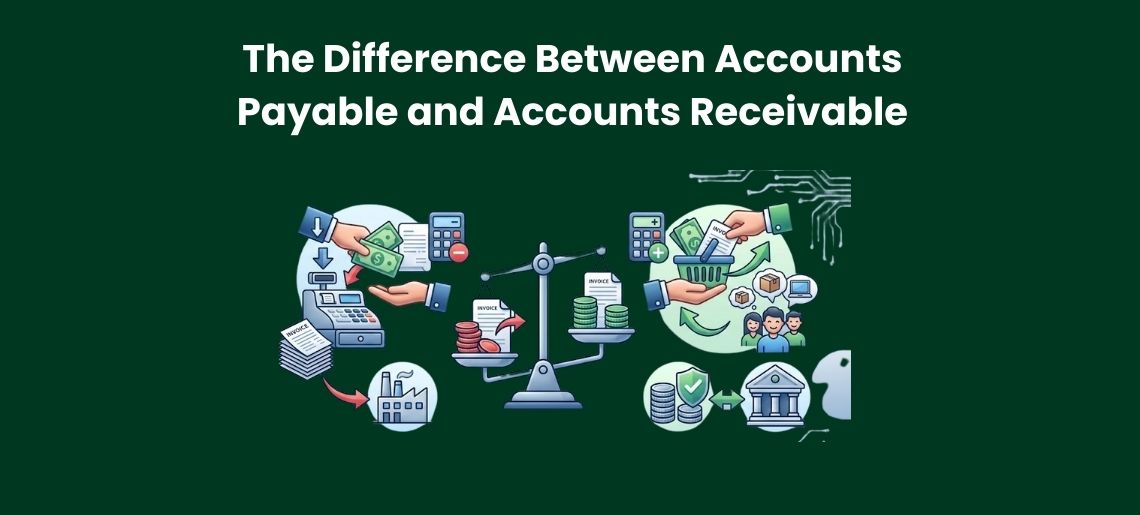
Accounts payable and accounts receivable are two essential parts of business accounting, but they serve very different roles. This guide explains what each term means, how they impact cash flow, and why understanding the difference helps small businesses manage finances, avoid payment issues, and maintain strong relationships with suppliers and clients.
Read More
Payday Super is one of the biggest payroll changes in decades. This guide helps Melbourne employers understand the new rules and prepare systems, cash flow, and compliance before 1 July 2026.
Read More